Quick Take
- Narration: Andrew Flintoff narrates his own memoir with warmth and humor, and the exclusive Q&A with comedy writer Clyde Holcroft adds real texture.
- Themes: Cricket, identity, recovery and resilience after trauma
- Mood: Honest and nostalgic, occasionally funny, genuinely affecting in the later chapters
- Verdict: Flintoff’s self-narrated memoir is at its best in the quiet moments, and the pivot from sport to accident to cricket again gives it an emotional arc worth following.
I came to this one without being a cricket devotee, which I think is actually a reasonable way to approach a memoir like this. The best sports autobiographies are not really about the sport, and Coming Home is no exception. Andrew Flintoff is talking about cricket, but he is mostly talking about what it means to find something that makes you feel at home in yourself, lose it through circumstance and injury and time, and then find it again in a different form.
That is a story worth listening to whether or not you can distinguish a cover drive from a sweep shot.
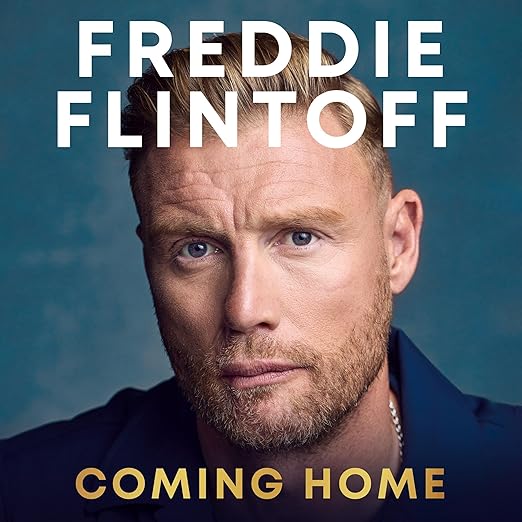
Our Take on Freddie Flintoff: Coming Home
The memoir is organized around pivotal moments rather than straight chronology, which suits Flintoff’s reflective intent. He writes about growing up in Preston and falling in love with cricket, about the 2005 Ashes series that made him a national figure, about the media and the pressure and the physical toll that eventually ended his playing career. And then, in the sections that carry the most emotional weight, he writes about the car crash during filming of Top Gear in 2022 that left him with serious injuries and a long, difficult recovery.
What brings him back, and what gives the book its title, is cricket. Not playing at the highest level, but returning to the game in a way that feels authentic rather than obligatory. Flintoff narrates his own words, and the result is exactly what you want from an author-narrated memoir: you hear the hesitations, the humor, the occasional rawness that a professional narrator would smooth over into something more polished but less real.
Why Listen to Freddie Flintoff: Coming Home
The audiobook includes an exclusive Q&A between Flintoff and comedy writer Clyde Holcroft, which is a genuine addition rather than a marketing appendage. The two have an easy rapport, and the conversation surfaces details and tones that the more formal memoir sections do not always reach. It feels like hearing someone talk about their life rather than recite it, which is exactly the register the memoir itself is reaching for.
One reviewer described the listening experience as feeling like Freddie was just sitting telling his story, and that captures something true about the register. Blink Publishing has released this at under nine hours, which is the right length. The memoir does not overstay its welcome, and the pacing moves quickly enough through the playing career sections to preserve energy for the more personal later chapters.
What to Watch For in Freddie Flintoff: Coming Home
The cricket-specific sections, particularly the Ashes chapters, assume a certain familiarity with the rivalry and with the format of Test cricket. Non-cricket listeners will not be lost, but they may find those passages harder to feel the emotional stakes of without the context. The face-downs with rivals and the run-ins with the media that the synopsis mentions are present but not dwelt on; this is not a score-settling memoir, which is both a strength and a mild disappointment for anyone hoping for revelations about specific incidents.
The accident and recovery section is handled with genuine care. Flintoff does not dramatize it for effect, and that restraint makes it more affecting than a more sensational approach would be. He earns the emotional resolution the book is building toward.
Who Should Listen to Freddie Flintoff: Coming Home
Cricket fans who grew up watching the 2005 Ashes will find this deeply satisfying, and the exclusive Q&A between Flintoff and Holcroft makes it worth choosing the audio version over the print edition. General memoir listeners who enjoyed books like Michael Calvin’s work on the inner lives of athletes or Matthew Syed’s reflections on sporting identity will find Flintoff’s reflective register familiar and engaging. If you need extensive cricket context to feel the full emotional weight of sports memoir, this may ask more of you than it gives back. Everyone else: the recovery arc earns the time investment, and the Q&A is the bonus that makes the audio the definitive version.
Frequently Asked Questions
Do you need to be a cricket fan to enjoy Coming Home?
You will get more from the Ashes sections if you have some familiarity with cricket, but the memoir’s emotional core, about identity, injury, and finding your way back to something that matters, is accessible regardless of sporting knowledge.
What does the exclusive Q&A with Clyde Holcroft add to the audiobook?
It adds lightness and informality that the memoir’s more reflective sections do not always reach. Holcroft and Flintoff have genuine rapport, and the conversation feels less rehearsed than the memoir itself, which makes it a worthwhile addition.
How does Flintoff handle the Top Gear crash and recovery section?
With restraint and honesty. He does not sensationalize the accident or the recovery, and that measured approach makes those chapters more affecting than a more dramatic treatment would be.
Is this primarily about cricket, or does it cover Flintoff’s television career and personal life in equal measure?
Cricket is the structural and emotional spine of the book. The television career, including the crash, is treated as the detour that eventually brings him back to the game. Listeners expecting substantial coverage of his entertainment work will find those sections present but secondary.