Quick Take
- Narration: Simon Whistler delivers the confessional, direct register of the essays cleanly without over-dramatizing the personal narrative.
- Themes: Intentional living, material reduction, the UnAmerican Dream
- Mood: Reflective and quietly urgent, better absorbed slowly than consumed quickly
- Verdict: A well-curated entry point to Minimalist philosophy, the editorial sequencing justifies the collection, though dedicated followers may find it familiar.
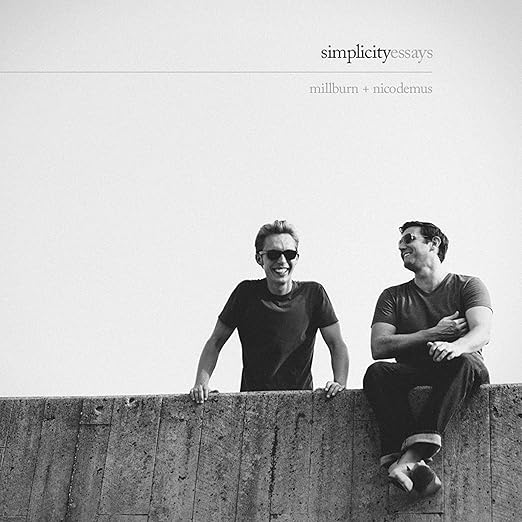
I listened to Simplicity on a Sunday afternoon when I’d spent the previous two hours attempting to clear out a corner of my home office and failing. There is something almost embarrassingly well-timed about encountering forty-six essays on intentional living in the middle of exactly the kind of accumulated clutter the book is arguing against. Joshua Fields Millburn and Ryan Nicodemus, The Minimalists, are not offering anything that hasn’t been said in the broader minimalism conversation, but they are saying it with a consistency and personal transparency that many comparable titles don’t manage.
This is the fifth book from The Minimalists and the follow-up to their earlier essay collection, drawing from more than two hundred essays they wrote in the years after leaving their six-figure corporate careers. The forty-six essays here represent what they describe as a curated best-of, edited and sequenced deliberately for the audiobook and book format. The sequence is the key word: the essays are not meant to be read randomly but in order, with each building on the last in a way that the individual blog posts never could.
Our Take on Simplicity
Simon Whistler’s narration is a solid match for the material. The essays are personal and direct, Millburn and Nicodemus write in a mode that is confessional without being self-indulgent, practical without being prescriptive, and Whistler delivers that register without adding theatrical weight that isn’t there in the text. At two hours and forty-nine minutes, this is one of the shorter audiobooks we cover, and the brevity is intentional. The collection is designed to be completed in a few sittings, or alternatively consumed as one essay per day over six weeks with deliberate application to daily life. Either approach works, though the six-week method has obvious practical advantages for listeners who want to do more than consume.
Why Listen to Simplicity
The sequencing is the collection’s defining virtue. As one reviewer notes, they had read many of these essays individually on The Minimalists’ blog but found that the reordering created a progressive structure that made familiar content feel newly connected. That redesign, from a web of individual posts into a deliberate arc, is the editorial work that justifies the collection over and above what’s freely available online. The personal narrative is also more fully developed in this sustained format: the story of two men who walked away from six-figure careers and discovered the specific texture of what they lost and what they found works better with the full arc than it does in isolated posts. The two unpublished essays, including Simplicity and The Worst Christmas Ever, add genuine new material for existing Minimalists readers.
What to Watch For in Simplicity
The runtime is the honest limitation here: at under three hours, some listeners will finish this feeling that the ideas deserved more development. One critical reviewer notes they expected more from both the published and unpublished sections. The Minimalists’ writing style is also distinctly personal and somewhat repetitive in its core message, living with less, living more intentionally, the UnAmerican Dream, and listeners who have already engaged extensively with their blog or earlier books may find the collection more reinforcement than revelation. This is a book that works best as an entry point or a reset moment, not as a primary text for the already-converted.
Who Should Listen to Simplicity
Listeners who are encountering The Minimalists’ ideas for the first time and want a well-curated introduction to their philosophy in a single sitting. Anyone who has been following the blog casually and wants the ideas organized into a progressive argument rather than a random browse. People who are in a moment of genuine reckoning with their relationship to material possessions, work, and intentional living will find the personal narrative more resonant than it might be in a neutral moment. Dedicated Minimalists who have already worked through the prior books and blog extensively will find this a useful refresher but should expect familiar territory.
Frequently Asked Questions
Is Simplicity worth listening to if I’ve already read most of The Minimalists’ blog posts?
The editorial resequencing creates connections between familiar essays that the blog format cannot, and two unpublished essays add new material. If you’ve been a casual reader rather than exhaustive, the collection will offer meaningful reorganization. If you’ve read everything, expect more reinforcement than new discovery.
At under three hours, is this audiobook substantial enough to justify the time investment?
For an introduction to The Minimalists’ philosophy, yes. The curated sequence packs significant ground into the runtime. For listeners looking for extended depth or new intellectual territory, the brevity will feel limiting.
Does Simon Whistler’s narration add anything to essays that can be read for free on the blog?
Whistler’s delivery is clean and well-paced for the reflective, personal register of the essays. The audio format makes the sequential structure more immersive than reading individual posts online, which tends to encourage nonlinear browsing rather than sustained engagement.
Is this a good listen for someone who is skeptical of minimalism but curious about it?
The personal narrative, two men who left corporate careers and discovered what that cost and what it gave them, is the most persuasive part of the book for skeptics. The practical philosophy is less argument than testimony, which works well for readers who are open to being convinced by example rather than ideology.